
Understanding Antioxidants: What They Are and How They Work
Antioxidants have become a buzzword in the world of nutrition and health. But what exactly are antioxidants, and why are they so important for our well-being?
At its core, antioxidants are molecules that help protect our cells from damage caused by free radicals. Free radicals are unstable molecules that can wreak havoc on our bodies, leading to oxidative stress, DNA damage, and even cell death. They are produced as a natural byproduct of metabolism, exercise, and exposure to environmental toxins.
Fortunately, nature has provided us with a solution to combat these harmful free radicals – antioxidants. Antioxidants act as the first line of defense against free radicals, preventing their formation and neutralizing their effects.
While too much oxidative stress can contribute to aging and chronic diseases, a balanced amount of oxidative stress is actually beneficial as it prompts adaptive responses that make us stronger and more resilient. Antioxidants play a crucial role in maintaining this balance, known as redox homeostasis.
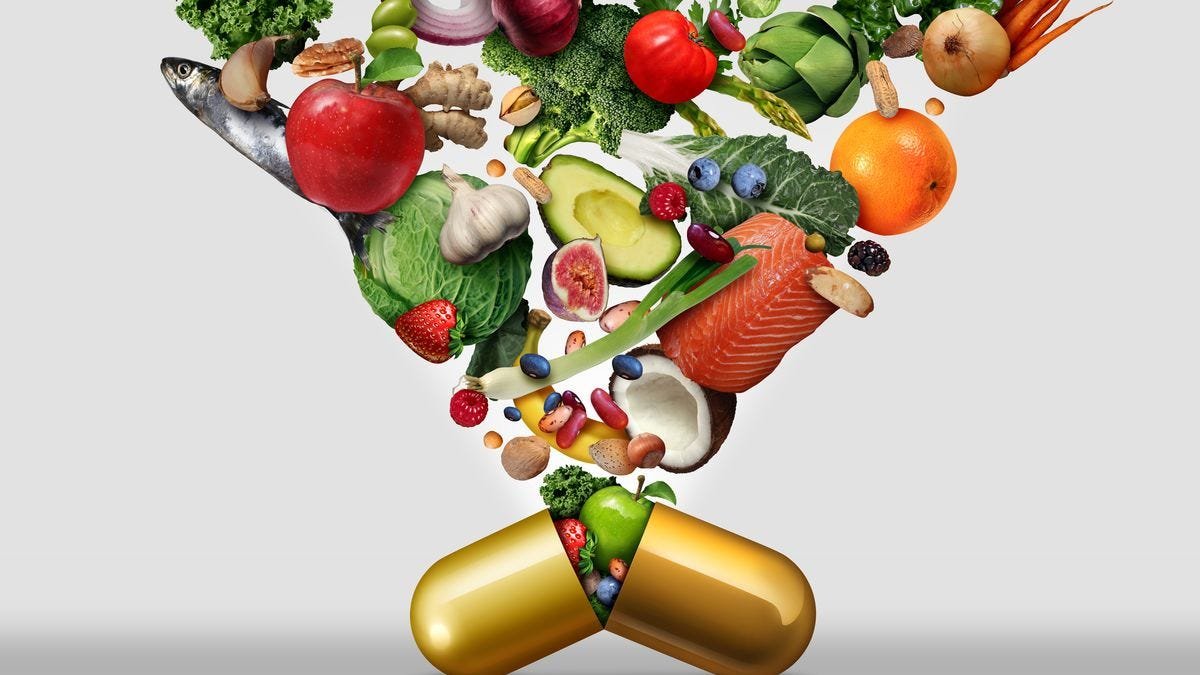
Antioxidants can be found in a variety of foods, including fruits, vegetables, nuts, seeds, and animal products. Vitamins A, C, and E, along with minerals like copper, zinc, and selenium, are all known for their antioxidant properties. Flavonoids and carotenoids, found in plant-based foods, also offer powerful antioxidant benefits.
Additionally, our bodies produce some antioxidants internally, such as glutathione and uric acid. These antioxidants, along with those obtained from our diet, work together to keep free radicals in check and maintain overall health.
It’s important to consume a diverse range of antioxidant-rich foods to ensure you’re getting a good mix of nutrients. By focusing on nutrient-dense options like oysters, organ meats, leafy greens, and colorful fruits and vegetables, you can support your body’s antioxidant defenses naturally.
While supplementation is an option for those who may have trouble meeting their antioxidant needs through diet alone, it’s always best to prioritize whole foods whenever possible. Whole foods provide a host of additional benefits beyond just antioxidants, including fiber, amino acids, and healthy fats.
So, the next time you reach for that berry or glass of wine, remember that you’re not just indulging in a tasty treat – you’re also giving your body a powerful dose of antioxidants to support your overall health and well-being.