
Why Intermittent Fasting May Not Be Suitable for Everyone
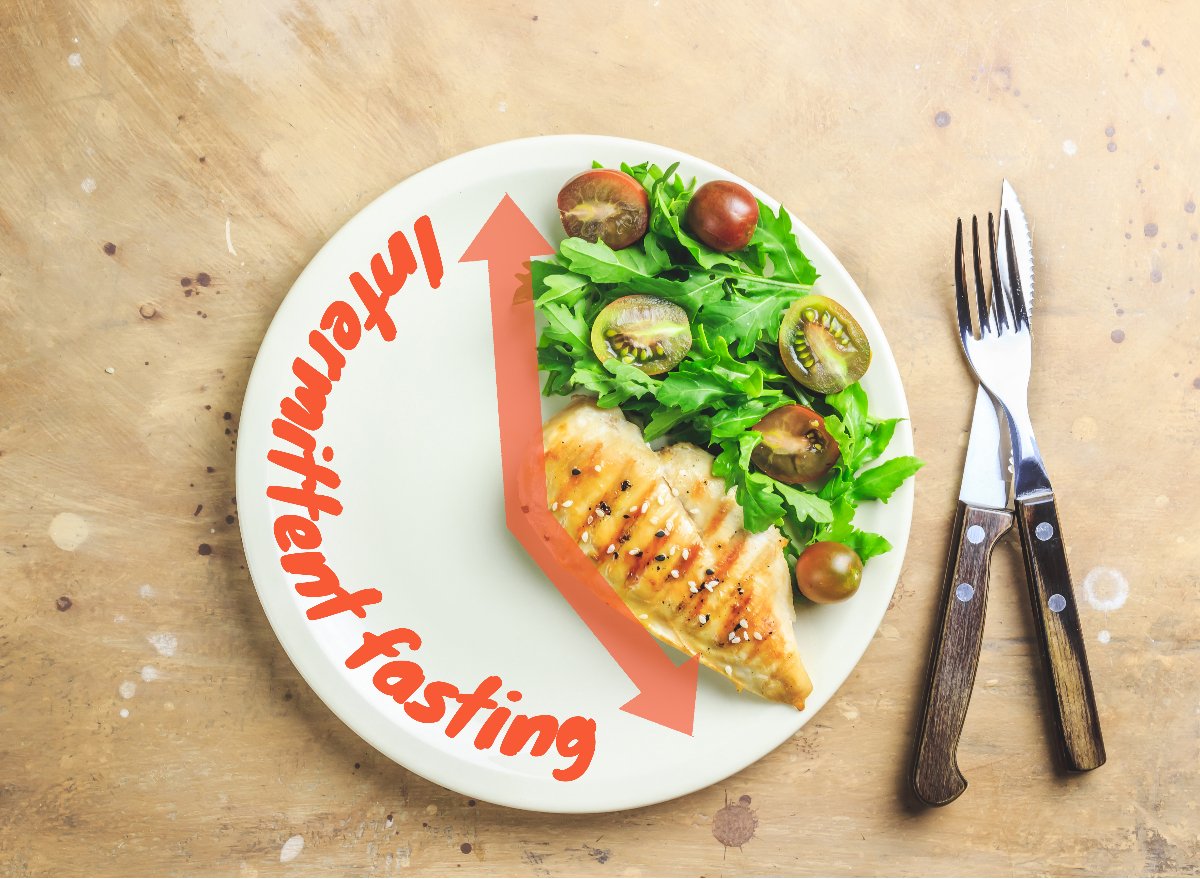
Intermittent fasting (IF) has gained popularity as a weight-loss method, but it may not be suitable for everyone. While it can offer benefits like weight loss, improved metabolic wellness, and reduced inflammation, there are certain groups of individuals who should avoid it.
Who Should Avoid Intermittent Fasting?
Registered Dietitian Ana Reisdorf, MS, RD, advises against intermittent fasting for certain individuals. If you are pregnant or have certain chronic conditions, IF may not be a viable choice for you. Additionally, those in their 40s, 50s, and beyond may find it challenging to meet daily protein needs through intermittent fasting, which can lead to increased muscle loss and decreased metabolic rate.
Groups at Risk of Negative Effects
Women in menopause and perimenopause, individuals with diabetes (especially type-1), those with greater nutritional requirements such as athletes, and people taking GLP-1 medication are most likely to experience negative side effects of intermittent fasting. These groups have higher protein needs, hormonal imbalances, and cannot afford to underfuel.
Common Setbacks with Intermittent Fasting
It is quite common for individuals, especially women not consuming sufficient calories or under significant stress, to experience setbacks with intermittent fasting. Many may not realize they are not eating enough until they feel exhausted, experience hair loss, lose muscle mass, or face a complete stall in weight loss.
Mental and Behavioral Challenges
Intermittent fasting can increase obsessive thoughts about food, lead to rebound overeating, and promote “black and white thinking” around eating habits. It may exacerbate an all-or-nothing mindset in some individuals.
If you are considering intermittent fasting, it is important to understand the potential risks and consult with a healthcare provider or a registered dietitian to determine if it is the right approach for you.
For more insights on health and wellness, stay tuned for our upcoming articles.
Alexa Mellardo