
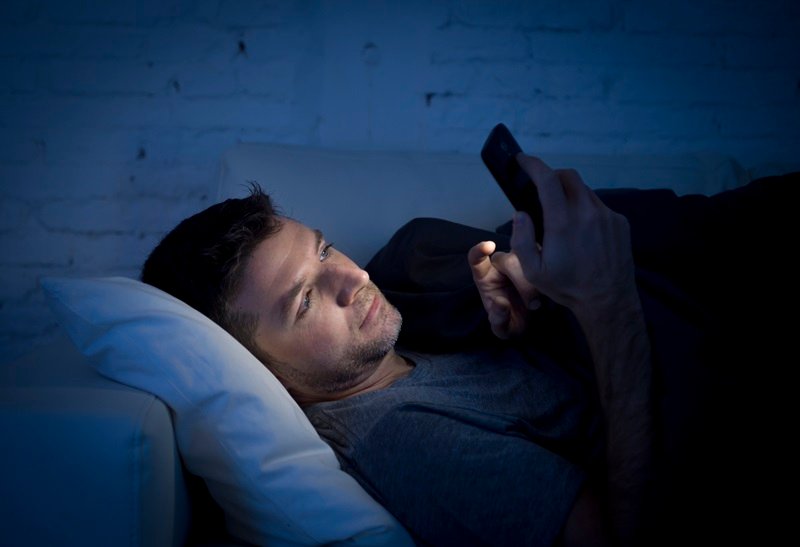
Recent news and social media discussions have highlighted worries surrounding the health effects of blue light exposure from electronic devices. As our screen time increases, understanding the impact of blue light on our well-being is crucial. Our review of research findings and expert advice equips you with the knowledge to make informed decisions for your family’s health.
What is Blue Light?
What we think of as light is electromagnetic waves that are visible to our eyes. The light spectrum ranges from infrared to ultraviolet. Blue light is close to the ultraviolet side, but it is more easily seen by human eyes.
Sunlight is the primary source of blue light that we are exposed to. Fluorescent and LED light bulbs, TVs, computers, smartphones, and tablets all emit blue light, too. The average American spends about seven hours a day looking at screens that emit blue light.
Blue light is necessary for us to maintain good health. It ensures that we stay alert, bolsters our cognitive functioning, boosts our mood, and stimulates our energy levels. The concerns about blue light are related to how much we are exposed to and at what point during the day.
Blue Light and Sleep
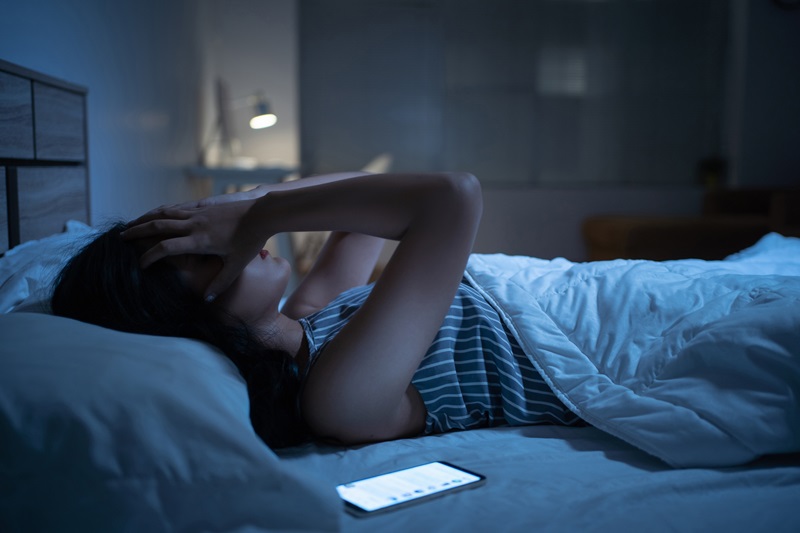
Blue light keeps us alert, in part, by suppressing the body’s production of melatonin, the hormone that helps us fall asleep. A team of Harvard sleep scientists compared the melatonin levels of people who had been exposed to blue light against those who were looking at green light, which is closer to the middle of the visible spectrum. The researchers found that blue light suppressed melatonin production twice as long. The blue light also effectively shifted the subjects’ sleep cycles, or circadian rhythm, by as much as three hours.
As this study indicates, absorbing too much blue light may prevent you from falling asleep at night. What’s more, the later in the day that you absorb blue light, the longer it will be for your melatonin supply to reach its normal bedtime level.
Blue Light and Eye Health

Our eyes don’t filter out any blue light, so it all reaches the retina, the cells in our eyes that convert light into signals to our brains. Constant exposure to blue light over time could damage retinal cells and cause vision problems such as cataracts and macular degeneration, two conditions that are more common as we grow older.
In the short term, looking at blue light for long periods can cause eye strain. Common symptoms of eye strain include headaches, blurred vision, and neck and shoulder pain.
People also tend to blink less when using digital devices, which contributes to dry eyes and eye strain, according to a report from the American Academy of Ophthalmology. Around a third of Americans report experiencing one of these symptoms after using digital devices.
How to Protect Yourself from Blue Light

Effective Strategies to Manage Screen Time
To limit the impact of blue light on your sleep cycles, avoid scrolling on your phone or tablet in the hour before you are ready to go to sleep. Prepare yourself for sleep by closing your screens before you get into bed.
If you want to slow your mind before you sleep, try reading a book or magazine. Learn more about the many other benefits to reading regularly.
Set limits on your screen time each day and hold to them. Phones and tablets come with alarms you can use to remind yourself when you’ve had enough. Take the time you get back to exercise during the day and to meditate or read at night.
Preventing Eye Strain with the 20-20-20 Rule
Eye strain is a serious concern for those who spend long periods of time looking at their screens each day. The American Academy of Ophthalmology suggests that you shift your eyes away from the screen every 20 minutes to look at an object 20 feet away from you for about 20 seconds. This is sometimes called the “20-20-20” rule.
Adjusting Device Settings to Minimize Blue Light Exposure
Using the “dark” or “night” mode on your device can reduce the amount of blue light you absorb. If you are able, adjust the lighting in the room where you are to increase the contrast on the screen. More contrast makes it easier on your eyes to see details without effort.
Choosing the Right Screen Filters for Blue Light Reduction
You can buy screen filters to fit on your devices that reduce the glare you see, which eases its effects on your eyes. Matte screens have a slightly textured surface that disperses light to reduce glare. Glossy anti-glare screens maintain image sharpness while minimizing reflections.
Do Blue Light Glasses Really Work?
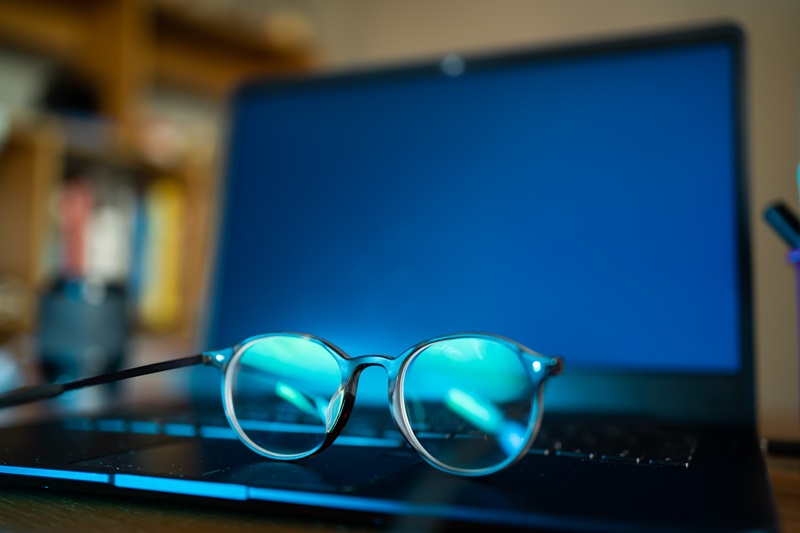
You may see promotions for glasses you can buy with lenses that filter out blue light. Despite the popularity of blue light glasses, there is little scientific support for them, says the American Academy of Ophthalmology. They note that several studies suggest that blue light-blocking glasses do not improve symptoms of digital eye strain.