
The Primal Blueprint: A Guide to Eating Like Humans Were Designed To
A Primal diet is not a “diet” in the way the word is commonly used. It’s not a rigid set of rules centered around caloric restriction or “allowed” foods, usually prescribed for the express purpose of weight loss. Instead, a Primal diet honors, approximates, and emulates the spirit of the dietary environment available to humans for most of our history.
To eat according to the Primal Blueprint means choosing foods that provide the body with all the building blocks it needs to function (amino acids, fatty acids, nutrients, and more) while avoiding foods, and modern “frankenfoods,” that erode your health. It means giving your body all the energy it needs to be strong, active, and well.
In answer to the hugely contentious question of which diet—plant-based, vegan, carnivore, Mediterranean, “everything in moderation”—is best, the Primal Blueprint puts forth a simple answer: The best diet for humans is one comprising the foods that humans are designed to eat.
Despite what you might have heard about Primal, paleo, and the more general ancestral health movement, the goal isn’t to get you to eat “like a caveman.” For one thing, many of the foods that were around millennia ago have been changed by natural evolution and human agriculture. Furthermore, the foods your far-back ancestors ate depended entirely on the geographic location from which they hailed.
The environments in which we eat are also different. Food has never been more abundant and easier to procure. We are more stressed, more rushed, and more sedentary. We are less exposed to dirt and the accompanying microbes that populate the gastrointestinal tract. In short, the idea isn’t that we should be eating exactly like our ancestors did.
The Primal Blueprint takes lessons from human history and modern science to decide what, when, why, and how (much) to eat—and, importantly, what to avoid.

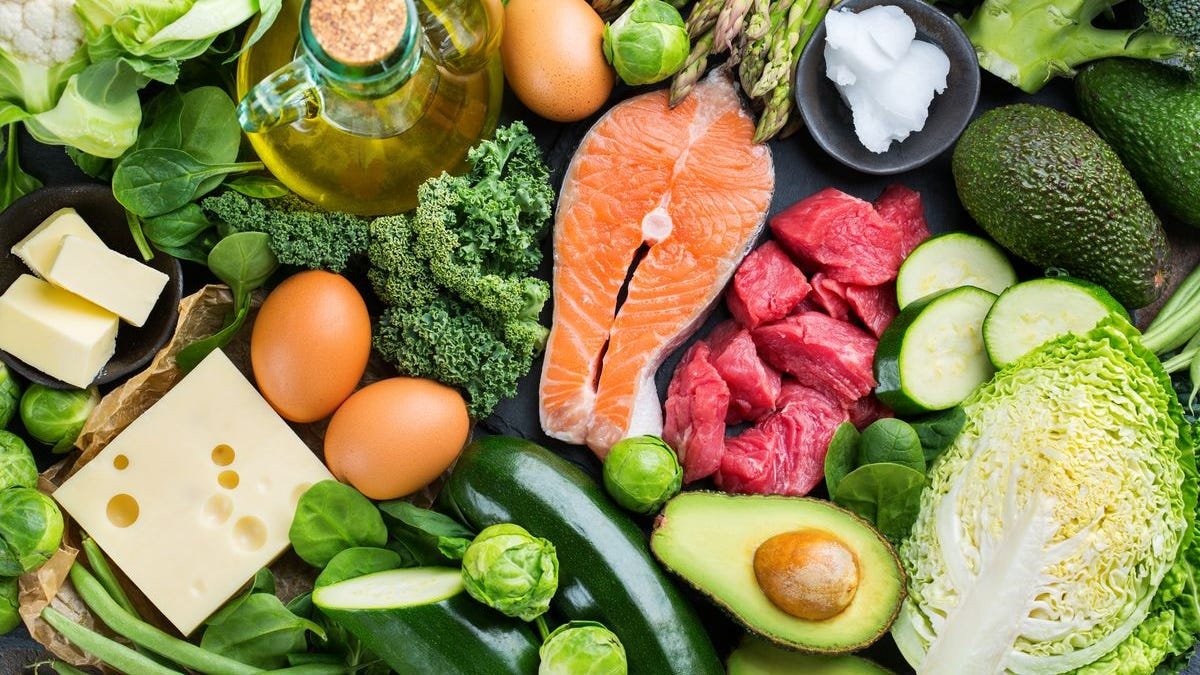
As you can see, this law leaves plenty of room for you to structure your diet according to your personal tastes, preferences, and needs. Perhaps you prefer to eat relatively more plants than animals, or vice versa. You might be a gourmand who takes great pleasure in creating elaborate dishes and trying new foods, or maybe you’re content to repeat a few simple meals over and over.
As long as you prioritize close-to-nature foods from these broad categories, you’re headed in the right direction.
Learn more about Primal Law #1.
Humans’ ability to exploit almost every corner of this earth was partly predicated on their ability to consume vastly different types of plant and animal life. Exploring a new environment and trying new foods posed a danger: the new food might contain potent toxins.

You probably don’t have to fear food-borne illness anymore, aside from an occasional bout with non-lethal food poisoning. Instead, we contend with ubiquitous modern foods that undermine our health more slowly and more insidiously. Whereas our ancestors’ keen senses of smell and taste helped sort out the good from the bad, our ability to distinguish good from bad is now thwarted by food manufacturing and clever marketing.
Learn more about Primal Law #2.
Understanding what to eat is only half the battle. You still have to translate that knowledge into action. Here are some other factors that come into play.
Protein:
Protein takes priority. The amino acids in protein don’t just go toward making muscle. They’re necessary for all structures in the body, for making hormones and neurotransmitters, and for facilitating enzymatic reactions.
Protein is also highly satiating, quelling excessive hunger and the urge to snack around the clock. Most people probably aren’t eating nearly enough protein, especially as they get on in years.
Carbohydrates:
Primal is a “low-carb diet” in comparison to the Standard American Diet, and similar ilks, in which grains and sugars run rampant. A primary goal of the Primal Blueprint is for you to become fat-adapted, so fat becomes a primary fuel instead of glucose (sugar).
That doesn’t mean Primal is anti-carb. Carbs are fuel, but excessive carb intake leads to chronically high insulin and the health consequences you can expect as a result. Limit your carb intake to nutrient-dense varieties and only in the amount that you need to provide glucose to the brain and fuel your activities. (Hint: it’s less than you probably think.)
The Primal Blueprint Carbohydrate Curve lays out reasonable targets for carb intake.
Fats:
Learn to love them. Fats are the fuel of choice in the Primal Blueprint. Beside providing energy, they are necessary for certain crucial metabolic functions and have little to no impact on insulin. On a Primal eating style, the plurality of your calories will likely come from fats like avocado oil, olive oil, and the fats naturally occurring in animal products, avocados, coconut products, and nuts and seeds.

* This blog reflects my personal views and opinions and isn’t intended as medical advice, but I hope it will be informative and inspiring as you pursue a healthy, fulfilling life.